Medical Brigades

Join a global movement strengthening healthcare, together.

Work alongside local health professionals to support year-round access to care and essential medications in communities with limited access.

Part of a global student movement with more than 20 years of impact.
Care, learning, and contribution

What is a Medical Brigade?

A Medical Brigade brings university students together with local healthcare professionals and community partners to support access to care.

During a 7-9 day experience, students contribute to clinic operations, shadow licensed professionals, and support health education. In Central America, the experience also includes a day of public health construction.

Your brigade is one part of a shared effort that connects healthcare, water and sanitation, and economic development. Local teams and community health workers help sustain that work beyond your visit.


Your contribution joins an established effort

A view of Global Brigades' broader medical and community health work.

1,544,235

Patient consultations
Reported across Global Brigades' medical work.

789

Community health workers trained
Through Global Brigades' broader health programs.

Consultations are care encounters, not a count of unique patients. These figures represent different measures of program activity.

Explore Our Impact

Where We Work

Learn and contribute alongside our community partners.

Clinic services, community settings, and activities vary by country. Our team will help your chapter understand the experience available in each program.

Why Medical Brigades?

Understand medicine in the context of people's lives

Develop your perspective as a future healthcare professional through observation, contribution, and learning from local expertise.

Connect symptoms with circumstances

Explore how water, housing, income, and access to services influence health. Connect what you encounter in the clinic with the conditions families navigate every day.

Learn from local clinical judgment

Observe how healthcare professionals approach care within the resources and systems available to them. Build an appreciation for the knowledge and experience of local teams.

Practice listening and communication

Learn alongside patients, interpreters, staff, and classmates across languages and backgrounds. Practice asking thoughtful questions and listening before proposing solutions.

Build responsibility through teamwork

Contribute to clinic operations and develop leadership through chapter preparation, fundraising, and organizing on campus. In Central America, collaborate with local teams on public health construction as well.


For students exploring medicine, nursing, public health, and other healthcare paths, understanding the person and the system around them is part of understanding care.

A local connection beyond the brigade

Your brigade joins care that continues year-round

Community health workers serve as a local point of contact for primary health concerns and a connection between their communities and Global Brigades' health programs.

Learn from their experience, their understanding of community priorities, and the challenges they encounter. See how local knowledge connects brigade clinics with ongoing health support.

Year-round local teams work with community partners to sustain programs. Your chapter's fundraising, preparation, and participation contribute to that broader effort.

Community health work continuing beyond the brigade

Care

Medical and Dental Brigades contribute to clinics and health education led by licensed professionals.

Prevention

Public Health Brigades supports water access and household infrastructure. In Central America, a construction day introduces Medical Brigades students to this work.

Continuity

Local teams and community health workers provide an ongoing connection beyond each brigade.

Programs and follow-up arrangements reflect each country’s systems and community priorities.

Understand the Holistic Model
Your role in a community clinic

Learn alongside the people delivering care

Explore the clinic experience and the ways students contribute under the guidance of local teams.

Students helping with patient intake
Help the clinic work well

Support a patient's first point of contact

Work with staff and community volunteers to help organize visits and document patient information. Learn how accurate records support the team throughout the clinic.

What you learn: The connection between welcoming patients, clear communication, and organized care.

Clinic station with students and health professionals
Listen before drawing conclusions

Gather information that supports care

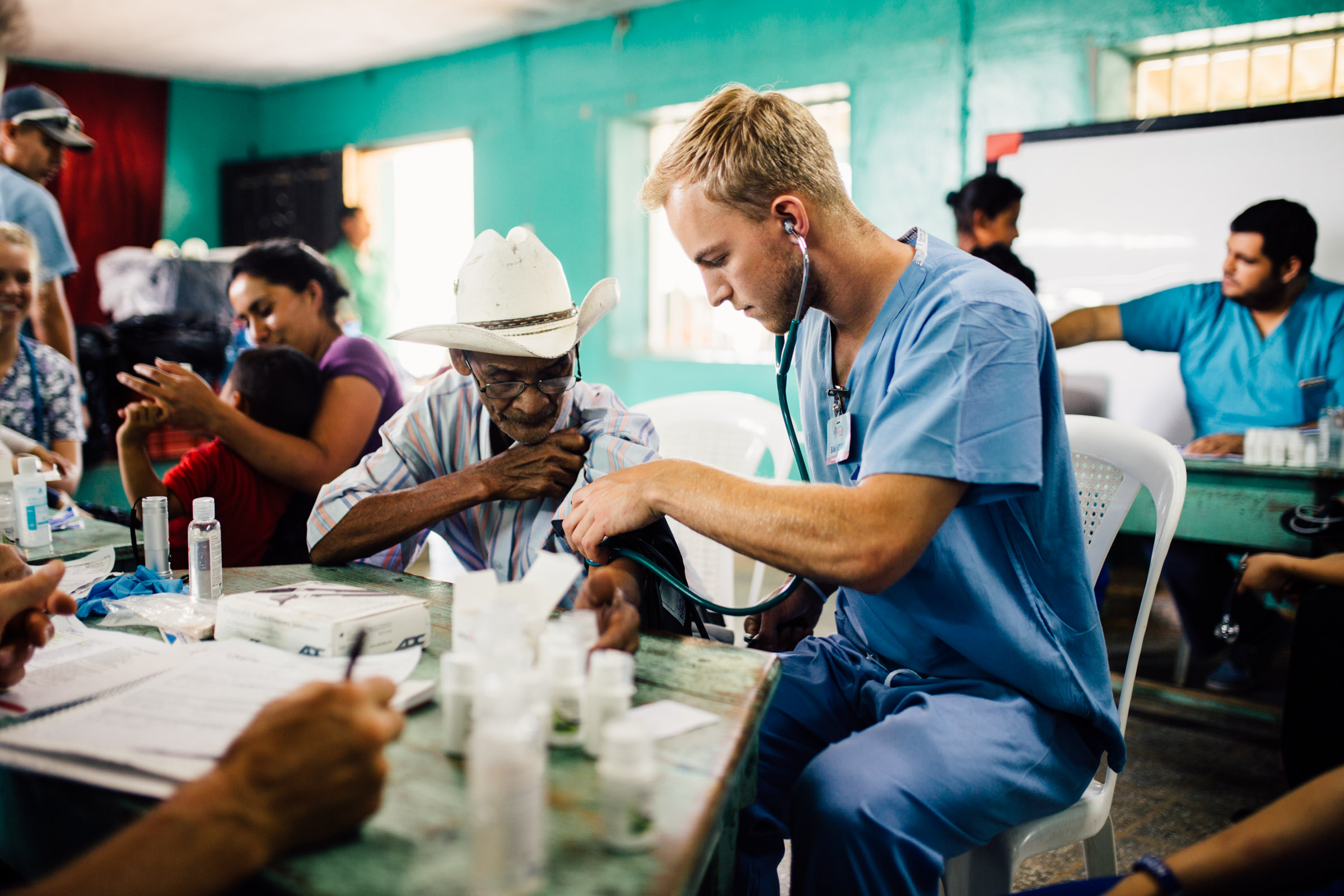
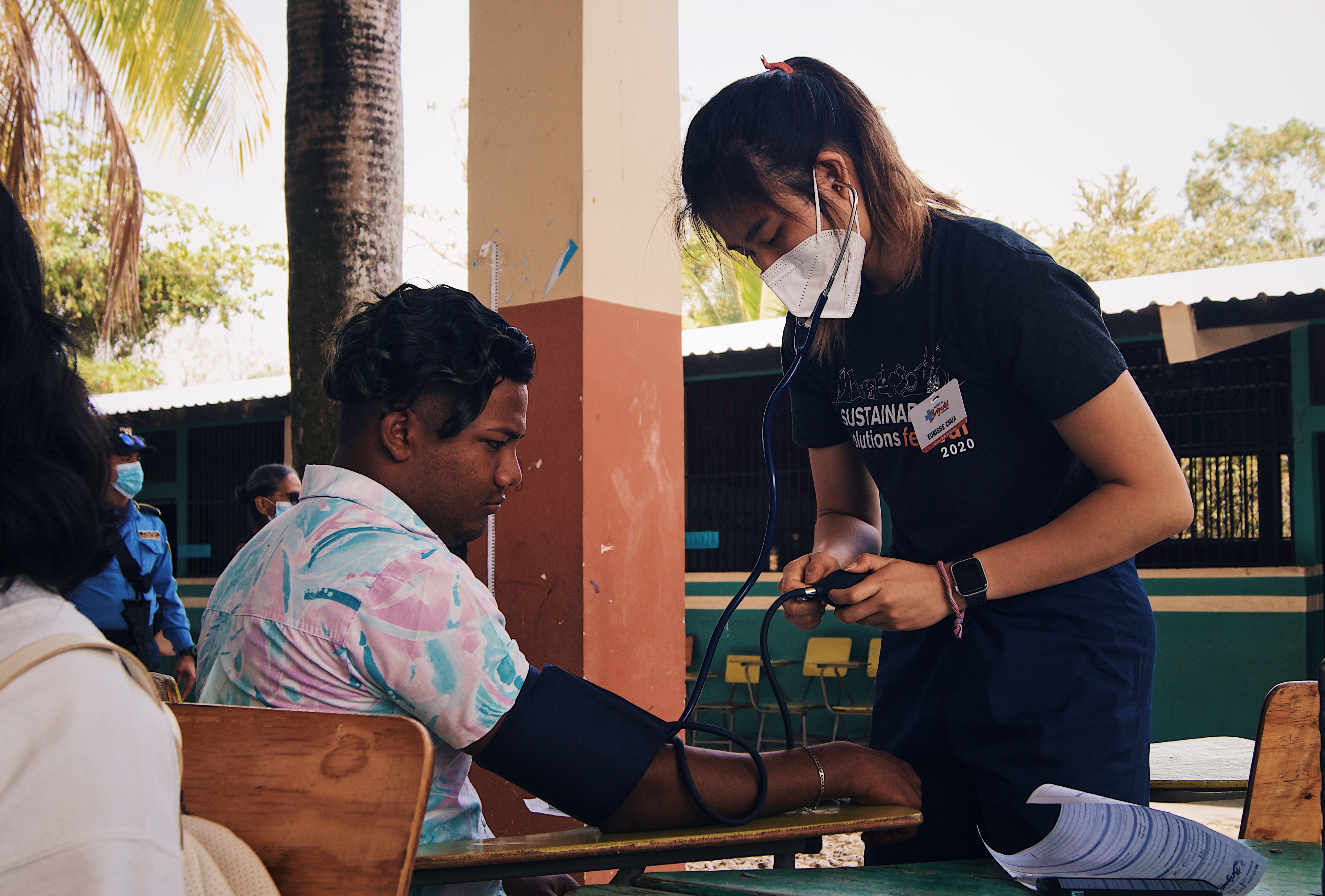
Under staff supervision and as appropriate to your preparation, help record vital signs and patient histories. Work with interpreters and local teams to understand patients' concerns.

What you learn: How listening, careful documentation, and basic observations inform the clinician's assessment.

Medical consultation in a community clinic
Learn from local clinical judgment

Observe how professionals approach patient care

Shadow licensed healthcare professionals during consultations. Ask questions at appropriate moments and observe how clinicians consider symptoms, patient histories, and the resources available.

What you learn: How medical knowledge becomes a conversation, an assessment, and a care plan for an individual patient.

Students supporting health education
Make prevention understandable

Support locally guided health education

Help deliver education developed with local teams. Topics may include hygiene, oral health, and everyday health practices, depending on community priorities and the program.

What you learn: How to communicate clearly, adapt to an audience, and connect information with daily life.

Pharmacy support

Where included, students help with pharmacy operations under licensed professional supervision. Pharmacists oversee medication preparation, review, and counseling.

Dental and additional services

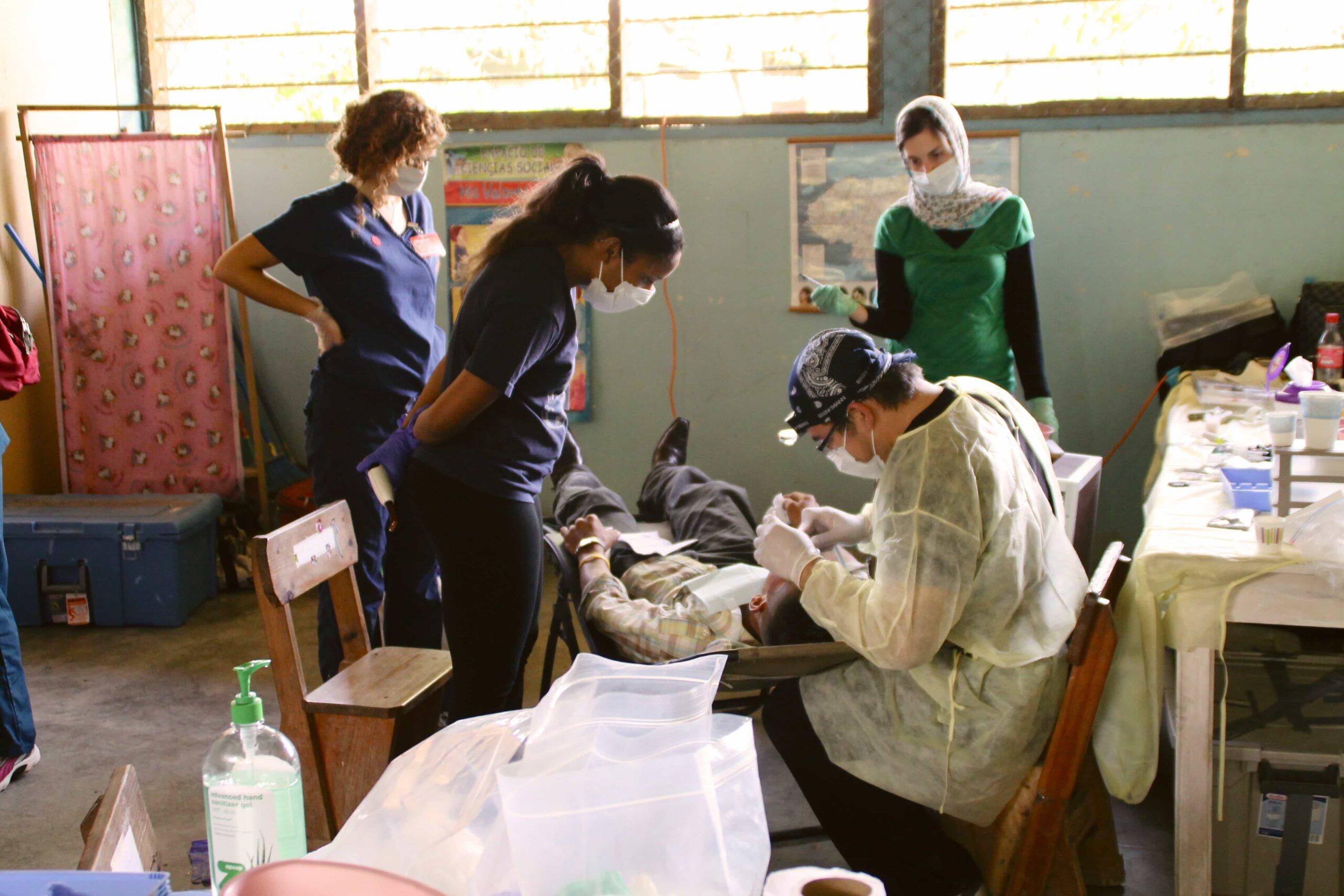
Some clinics include dental or other services, depending on the country and the licensed professionals involved. Students may observe and support approved activities.

Student roles reflect preparation, supervision, and local program requirements. Clinical decisions, diagnoses, prescribing, and procedures remain with licensed professionals.

A 7-9 day experience

From preparation to participation

Your learning begins on campus and continues through your brigade and the perspective you bring home.

Before you travel

Prepare with your chapter

Organize, fundraise, and prepare with classmates and Global Brigades staff.

Arrival and orientation

Meet the local team

Get oriented to the program, clinic activities, and expectations for participation.

Clinic participation

Learn alongside care

Support clinic operations, observe consultations, and contribute to health education.

Public health construction · Central America

Contribute to prevention

Work with community members and local teams on household infrastructure.

Reflection and return

Bring your learning home

Reflect with your chapter and continue participating on campus.

This outlines the experience rather than a fixed daily schedule. Timing, clinic activities, and construction projects are confirmed with your chapter and local team.

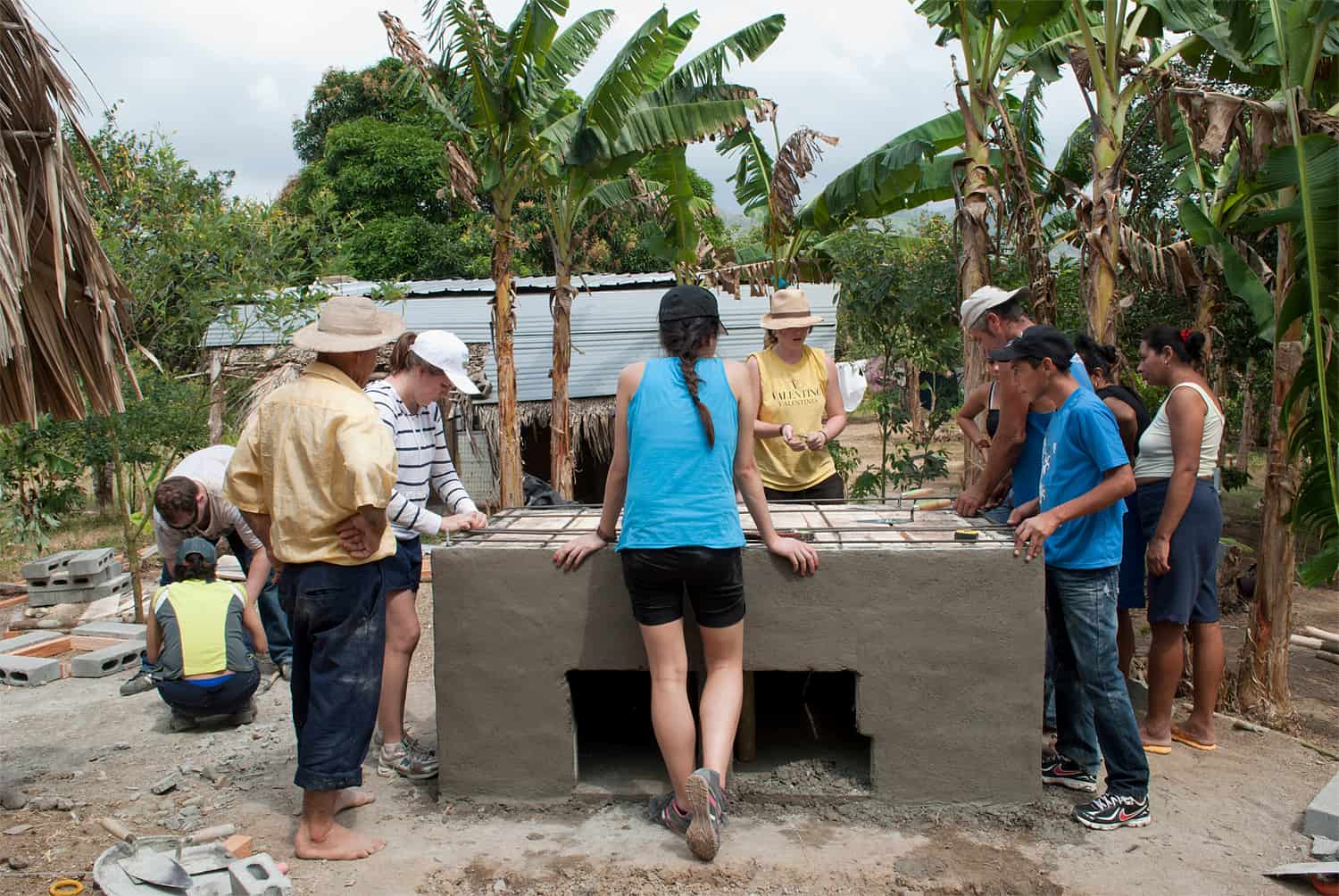
Students working with a community on public health construction
A broader view of health

Connect clinical care with healthier homes

Medical Brigades in Central America include a day of public health construction alongside community members and local teams.

Contribute to household infrastructure that supports sanitation, hygiene, and healthier living conditions. Depending on community priorities, projects may involve improved floors, clean-burning stoves, or sanitation facilities.

See how prevention complements the care provided in community clinics. You do not just study the conditions that influence health; you contribute to addressing them.

Explore Public Health Brigades

Interested in a fuller infrastructure experience? Public Health Brigades offers focus areas in Healthy Homes and Community Water Systems.

Medical Brigades student perspective
A student perspective

See health through a wider lens

"I realized that health is attributed by a variety of factors aside from the diseases themselves."

Iris Guo
Chapter President, Pennsylvania State University Medical Brigades Chapter

Questions about Medical Brigades

Medical Brigades welcomes university students exploring medicine and healthcare. You do not need to be committed to a particular career to learn from community care. Our team can confirm age, chapter participation, and other eligibility requirements for your program.

The brigade experience generally lasts 7-9 days. Chapter activities, preparation, and fundraising take place before travel, with opportunities to stay involved afterward.

Medical Brigades in Central America include a day working alongside community members and local teams on household health infrastructure. The project is selected around community priorities and the local program.

Licensed professionals are responsible for clinical care. Students shadow, support approved clinic activities, and contribute to health education within roles appropriate to their preparation and supervision.

Your brigade joins a larger effort led by community partners and year-round local teams. Chapter fundraising and participation contribute to programs connecting healthcare, water and sanitation, and economic development.

Participants work toward a donation goal that supports the brigade and broader program implementation. Goals and airfare arrangements vary by country and itinerary.

Global Brigades staff help coordinate program logistics and preparation. Review the Safety and Security resources and speak with our team about country-specific arrangements and requirements.

Find your university on the chapter map, or connect with our team to explore starting a chapter.

Bring your curiosity.
Find your place in community care.

Join classmates in learning, preparing, and contributing to a shared effort to improve health.